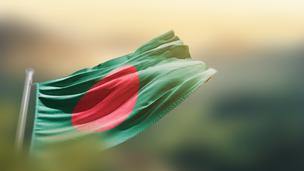
The government is looking to reform business and visa approvals and raise a significant amount in tax revenue which economists are warning will be difficult to achieve.
After February's election, Bangladesh’s economy is being shaken by the rise in prices of oil and gas, a potential fall in remittances, increased shipping costs and Trump's latest tariffs, as the war in the Middle East continues.
Loan defaults in Bangladeshi's banking sector have reached an all-time high of 35.7% of total disbursed loans, posing a severe threat to depositors; elections will take place in February 2026.
After a deluge of defaults, a new state-owned bank called United Islamic Bank is set to emerge out of the five banks, with the plan to privatise them over time.
Bangladeshi businesses and economists are pressing the government to defer the graduation from the UN’s least developed country (LDC) status. They argue the government needs to consider the impacts on exports, tariffs, loans and patents.


.jpg&h=410&w=728&q=75&v=1a56ad72fe&c=1)
.jpg&h=171&w=304&q=75&v=1a56ad72fe&c=1)
.jpg&h=171&w=304&q=75&v=1a56ad72fe&c=1)
.jpg&h=171&w=304&q=75&v=1a56ad72fe&c=1)
.jpg&h=171&w=304&q=75&v=1a56ad72fe&c=1)
.jpg&h=171&w=304&q=75&v=1a56ad72fe&c=1)