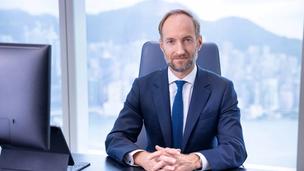
Natixis CIB's Asia Pacific & Middle East CEO discusses why data centres and AI are driving the region's next investment cycle, how geopolitical shifts are redrawing capital flows between Asia and the Middle East, and why banks will need new financing structures to support the scale of infrastructure investment ahead.
In its latest five-year plan, Saudi Arabia’s sovereign wealth fund is recalibrating its global investment strategy, pulling back from expensive prestige bets, even as it expands deeper into Asia and doubles down on long-term economic transformation.
The global investment firm is planning an office in the Abu Dhabi Global Market later this year, with Benno Klingenberg-Timm, head of institutional for Europe and Asia, readying to relocate to the region.
As oil moves above $115 a barrel, Apac governments are scrambling to reduce energy demand as the OECD sees US inflation rising to 4.2% this year. Markets are bracing for more turmoil as the war escalates with the Houthis joining the fight.
After February's election, Bangladesh’s economy is being shaken by the rise in prices of oil and gas, a potential fall in remittances, increased shipping costs and Trump's latest tariffs, as the war in the Middle East continues.
Financial markets in the Middle East, Apac and across the world are being hit as the price of a barrel of crude and West Texas Intermediate (WTI) oil surges above $100; the impact on aluminium is another issue.
Energy prices are rising, stock markets are falling and flights remain cancelled as Iran continues attacks on countries across the Middle East, as Israel and the US ramp up pressure.
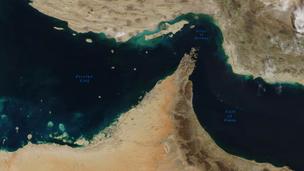
The oil price has surged to $82 a barrel amid disruption in the Strait of Hormuz as Iran responds with multiple missiles across the Middle East after the US and Israel launched strikes on Iran over the weekend; the UAE has closed its stock markets for two days.


.jpg&h=410&w=728&q=75&v=1a56ad72fe&c=1)



.jpg&h=171&w=304&q=75&v=1a56ad72fe&c=1)
.jpg&h=171&w=304&q=75&v=1a56ad72fe&c=1)